Building a loungewear brand
Luami
From fabric
to first customers.
A clothing venture built with a team in India. I built the website, worked on pricing and sales, and stayed involved through supplier delays, inventory and the final shipment.
Website · Pricing · Sales tracking · Inventory & shipping
The decisions along the way
Making Luami happen.


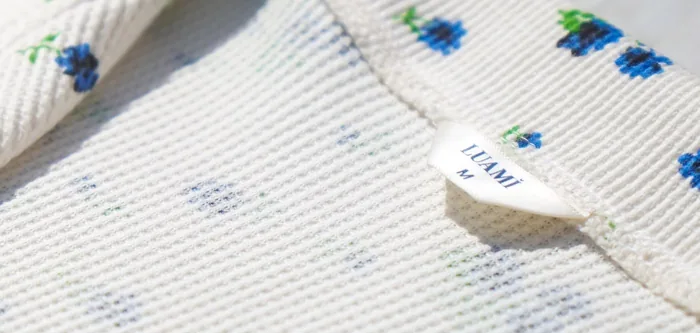
A shared idea becomes a collection.Original Luami product photography
Finding a direction
Our first idea was cookies. We ended up making pyjamas.
We first explored a food idea. When making cookies proved difficult, we moved towards clothing: women’s pyjamas with a fabric and style we wanted to test with customers.
I joined the team building the brand and later took ownership of its website, pricing work and sales records.
Teammates sourced cotton fabric in South India and arranged the first manufacturer.
We had an initial collection to sell and a chance to find out what customers thought.
Putting the idea in front of people
The useful feedback happened at the stall.
We sold almost all of our initial stock at the first event. Our sales came from meeting customers in person; the website I built did not receive online orders during this period.
I helped sell, tracked what sold, worked on pricing and supported the photoshoot. I planned room for discounts as customers negotiated.
The collection, sourcing and selling were a team effort. Other teammates handled Instagram.
We saw demand, and learned how our actual customers responded to the products and prices.
A closer look
A customer likes it, but asks for a discount. What would you consider?
Choose a detail to explore.
Room to negotiate
I allowed room for discounts in the pricing, based on the negotiations we encountered at our sales events.
The economics
Pricing had to leave room for negotiation while covering our costs. Keeping sales records helped me see what customers were actually paying.
Where demand came from
Our customers bought in person, at events. The website gave the collection an online home, while the selling happened face to face.
Working through the practical details
Making the product was only part of the job.
Slow production and inconsistent sizing led us to visit manufacturers around Delhi. We tried another supplier, then agreed as a team to move material to a third.
I took part in the manufacturer visits and helped bring the team together to discuss spending, approvals and responsibilities.
Supplier selection was collective. A teammate found the third manufacturer and handled the material transfer.
The lesson was to agree on timing, costs and approval before committing money—not only whether someone could make the product.
When the plan meets reality
We had customers. We were waiting for stock.
At a later event, we had sold the stock available to us while the replacement shipment was delayed. A teammate and I took a cab to the parcel facility near the airport.
I went with my teammate to try to collect the goods and spoke to people at the facility.
We made the collection attempt together. The shipment’s release was outside our control.
We could not get the goods that day. They arrived a few days later, leaving a new task: organise the stock and get it to the team before I left.
A closer look
The shipment is late. What can you actually control?
Choose a detail to explore.
Try to recover it
We went to the parcel facility. It did not get us the goods that day, but it was an action we could take.
Prepare for arrival
Once the goods arrived, I checked the inventory, organised sizes and pricing, and packed the remaining stock.
Plan the next handoff
I completed the shipping paperwork and sent the goods to South India on my last day before leaving.
Following through
My last day was a shipping day.
When the delayed goods arrived, there was still work to do before I left India.
I checked inventory, organised sizes and pricing, packed the stock and completed the paperwork. I shipped it to South India so the team could continue selling.
The shipment put the remaining stock with the team in South India for continued selling.
The stock was organised and sent on. I learned how much a venture depends on the work after the launch.
What stays with me
Agree on the decisions before they become problems.
I would clarify spending, approvals and responsibilities earlier. Helping the team work through disagreements taught me how closely the product, the finances and the daily operations depend on each other.
The story, in my words.
We built Luami as a team in India after moving on from an initial food idea. Teammates sourced cotton fabric and arranged the first manufacturer. I built the website, worked on pricing, tracked sales, helped sell in person and supported the photoshoot.
Almost all of our first stock sold at the initial event. Some customers negotiated, so I allowed room for discounts while keeping the economics in view. The sales in this account were in person; the website did not generate online orders.
Manufacturing took more coordination than we expected. We visited suppliers around Delhi and tried several arrangements. Supplier selection was a team decision, and a teammate handled the transfer to the third manufacturer. I helped bring people together to discuss spending and responsibilities.
When a later shipment was delayed, a teammate and I tried to collect it at a parcel facility near the airport. We were unsuccessful that day. Once it arrived, I organised the inventory, sizes and pricing, packed the stock and completed the shipping paperwork. On my last day in India, I sent the goods to South India so the team could continue selling.
What I worked on
- E-commerce development
- Manufacturing coordination
- Sales tracking
- Pricing
This reference storefront shows the brand and products. It is not the original launch website; luami.in is no longer active. Sales in this account were made in person; the original website did not generate online orders.